Recently, the research group of Professor Qingmin Wang at Nankai University reported new progress in heterogeneous photocatalytic C–N bond construction and single-atom catalyst design. The work, entitled "Boron-Doped Nanomaterials/Copper Synergistic Photocatalytic C(sp3)–N Cross-Coupling," was published in ACS Nano (https://doi.org/10.1021/acsnano.6c05569). To address the difficulties that conventional heterogeneous photocatalytic systems face in C(sp3)–N bond formation and in controlling radical processes, the team designed a boron single-atom catalyst (boron-doped nanomaterials, BDN) and combined it with a copper catalytic system, establishing a BDN/Cu synergistic photocatalytic platform with broad substrate applicability. They showed that, once boron atoms are incorporated into the heptazine framework, they not only modulate the light absorption and charge-transport properties of the material but also act as Lewis-acidic active sites that direct the spatial separation of photogenerated carriers and promote the formation of alkyl radicals, thereby enabling efficient C(sp3)–N cross-coupling. Gram-scale synthesis under continuous-flow conditions was also achieved, offering a new way to build complex chemical bonds through molecular-level design of heterogeneous catalysts.
1. From Light-Harvesting Materials to Functional Catalytic Materials
Nitrogen-containing compounds are widespread in pharmaceuticals, agrochemicals, and other high-value functional molecules, and many bioactive structures contain C–N bonds between a nitrogen functionality and a saturated carbon center. Developing efficient, mild, and sustainable methods for C(sp3)–N bond construction has therefore long been an important goal in organic synthesis and drug discovery. Heterogeneous photocatalysis has emerged as an attractive platform because the catalyst is easy to separate and recycle and the operation is simple. Existing systems, however, focus mainly on C(sp2)–N cross-coupling and usually rely on synergy between a photocatalyst and a nickel co-catalyst. For unactivated alkyl substrates, the activation barrier is higher, and conventional semiconductor photocatalysts offer little control over radical generation and the subsequent steps.
In response, the Wang group proposed a new materials design concept: introducing electron-deficient boron centers into the conjugated heptazine framework turns a conventional light-harvesting material into a functional catalytic material that participates directly in the chemical process.
Boron has an empty p orbital and Lewis acidity. Incorporating it into a conjugated material alters the local electronic structure and, in turn, the generation, separation, and migration of photogenerated carriers. On this basis the team constructed the boron single-atom catalyst BDN and combined it with a copper catalytic system to build the BDN/Cu synergistic platform.
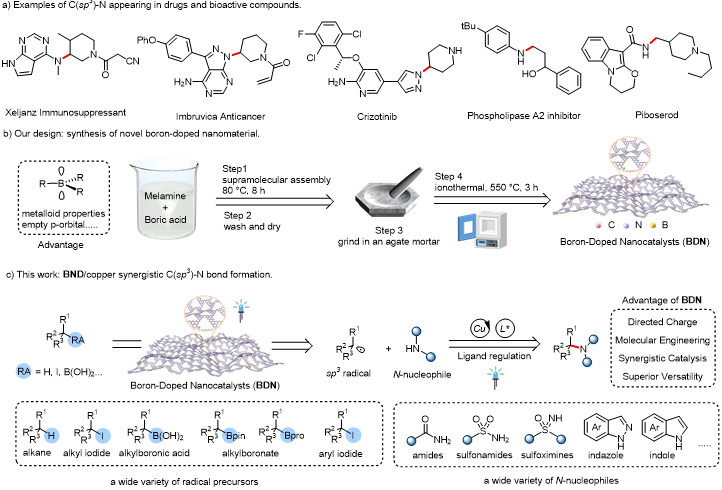
Figure 1. Reaction design. Source: ACS Nano.
2. Constructing the Boron Single-Atom Catalyst
The team prepared BDN in two steps. First, melamine and boric acid were allowed to self-assemble supramolecularly in water at 80 °C to form a precursor. The precursor was then thoroughly ground with KCl and calcined by an ionothermal method, affording the boron-doped K-PHI-type nanomaterial.
Elemental analysis gave a boron content of about 1.64 wt% in BDN. Transmission electron microscopy showed a transparent sheet-like morphology, and elemental mapping confirmed that C, N, K, and B are uniformly distributed. Electron energy loss spectroscopy further showed that the B, N, and C signals are highly co-localized at the nanoscale, proving that boron entered the heptazine framework and is chemically bonded to C and N. XRD, FTIR, XPS, and solid-state NMR each corroborated the structural effect of boron doping: FTIR revealed a new B–N stretching band, XPS showed B–N and B–C signals, and solid-state 11B NMR indicated that boron occupies distinct sites within the heptazine framework. These results confirm successful boron doping of the K-PHI framework and lay the foundation for tuning the material's optoelectronic and catalytic properties.
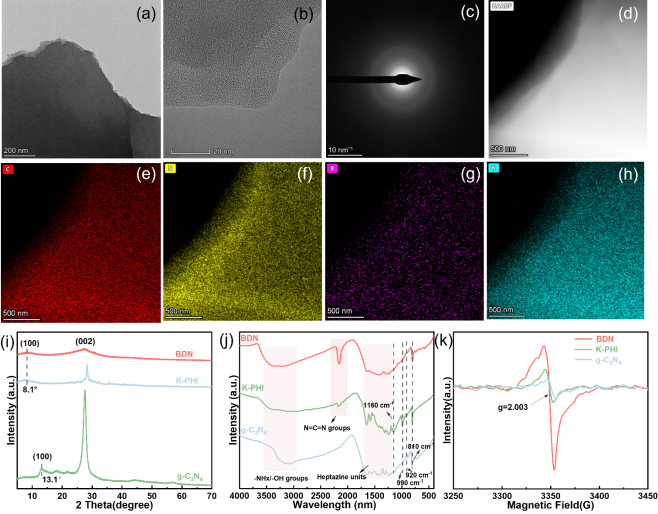
Figure 2. Synthesis and characterization of the catalyst. Source: ACS Nano.
3. Boron Doping Enables More Efficient Carrier Separation
With the structure established, the team examined how boron doping affects the optical and photoelectronic properties. UV-vis diffuse reflectance spectroscopy showed that, compared with g-C3N4 and undoped K-PHI, BDN has a clearly red-shifted absorption edge and a broader UV-vis-NIR absorption range. Its band gap narrows from 2.80 eV (g-C3N4) and 2.67 eV (K-PHI) to 2.56 eV, indicating effective modulation of the electronic structure. Photoluminescence (PL) and time-resolved PL measurements showed markedly weakened emission from BDN, meaning that radiative recombination of photogenerated carriers is suppressed; the average carrier lifetime drops from 7.96 ns (g-C3N4) and 2.67 ns (K-PHI) to 1.27 ns, indicating faster carrier trapping. Electrochemical impedance spectroscopy (EIS) and transient photocurrent measurements further showed lower charge-transfer resistance and a stronger photocurrent response for BDN, confirming that boron doping promotes carrier separation and interfacial transport. Quasi-in-situ XPS under illumination revealed that photogenerated electrons preferentially accumulate on the boron centers while the holes remain on the heptazine framework. The boron centers thus act as electron acceptors and charge-separation sites, achieving spatially directed carrier separation. This shows that boron doping does more than change the optical properties: it regulates the migration path of photogenerated electrons at the molecular level, creating favorable conditions for radical generation and C–N bond formation.
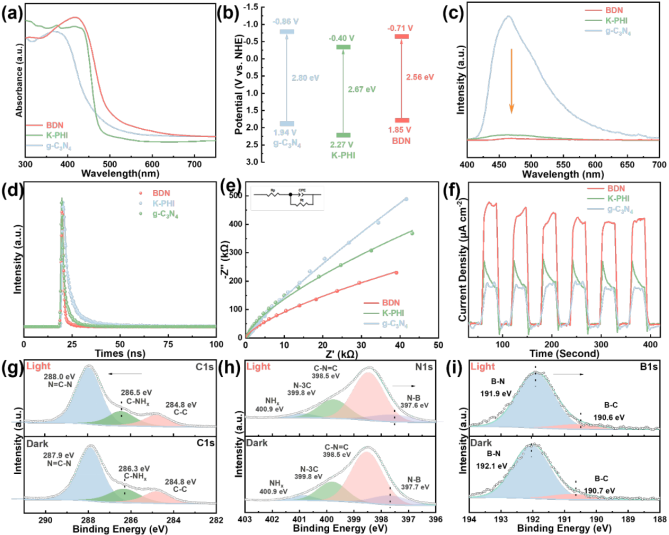
Figure 3. Photocatalytic performance characterization of the catalyst. Source: ACS Nano.
4. The BDN/Cu Synergistic System Enables Efficient C(sp3)-N Cross-Coupling
The team then evaluated BDN in the C(sp3)–N cross-coupling reaction. Using benzamide and cyclohexane as model substrates, they systematically optimized the HAT reagent, copper salt, ligand, solvent, and additives, and established an efficient protocol: with BDN as the heterogeneous photocatalyst, CuCl as the copper catalyst, bisoxazoline ligand L1, and DTBP and NaBArF as additives, the target C(sp3)–N coupling product was obtained in good yield after 24 h under 456 nm LED irradiation at room temperature under argon. Control experiments underscored the synergy among the components: removing BDN, light, or the copper system each abolished product formation, and conventional heterogeneous photocatalysts such as g-C3N4 and K-PHI could not promote the reaction, indicating that the boron-derived active structure is essential. Screening of copper salts, ligands, and additives likewise pointed to clear synergy between the copper system and BDN; CuCl performed best, and NaBArF further improved the efficiency.
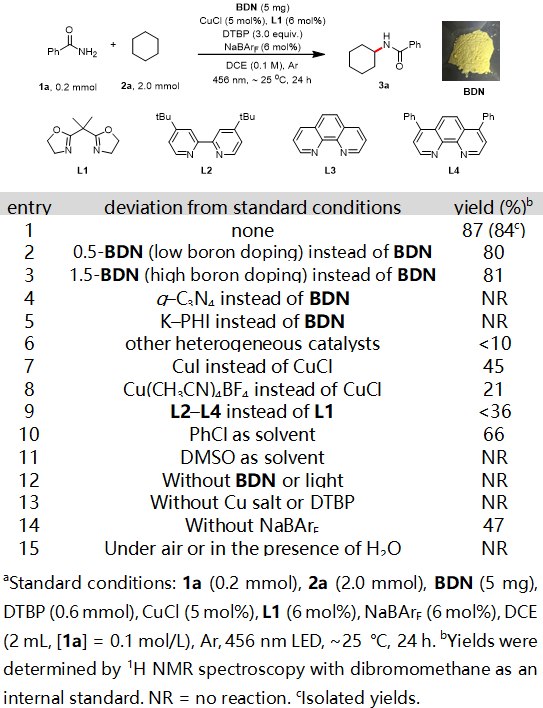
Figure 4. Screening of reaction conditions. Source: ACS Nano.
5. Broad Substrate Scope
With the optimized conditions in hand, the team examined the substrate scope systematically. For amide substrates, substituents of different electronic character on the aromatic ring were well tolerated, including electron-withdrawing groups (F, Br, CF3, Cl) and electron-donating groups (MeO, Me), giving products in 55-77% yield. Heterocyclic and polycyclic acyl groups such as naphthoyl, nicotinoyl, thiophenecarbonyl, and furancarbonyl also reacted, in 74-83% yield. Substrates bearing acryloyl, cinnamoyl, or phenylpropioloyl groups reacted smoothly, showing good compatibility with alkenyl and alkynyl structures. Among alkane substrates, benzylic alkanes reacted efficiently, some in around 90% yield; substrates with chlorinated side chains, naphthyl groups, oxygen-bridged rings, tetralin, alkynyl groups, and cyclopentane also participated. The scope was further extended to larger rings such as cycloheptane and cyclooctane, and to other nitrogen substrates including sulfonamides, sulfonimides, and naphthylamine, demonstrating the broad applicability of the catalytic system.
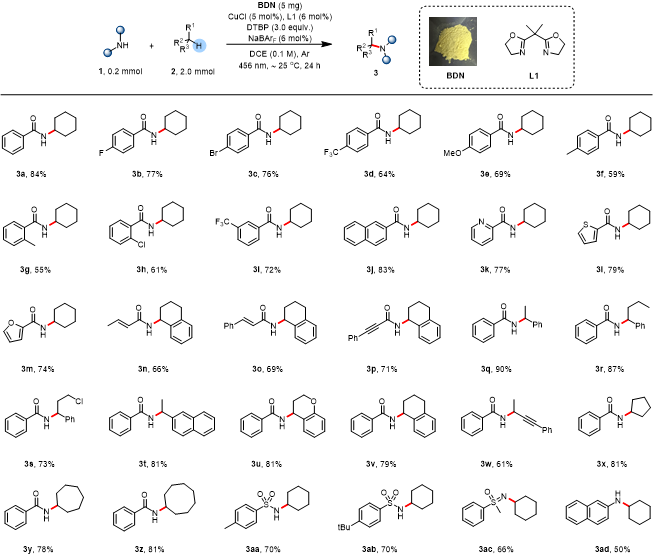
Figure 5. Substrate scope of the C(sp3)–N cross-coupling. Source: ACS Nano.
6. Extension to Alkylboronic Acids as Alkyl Radical Precursors
Notably, the study did not stop at direct C(sp3)–H activation; the system was further extended to alkylboronic acids, an important class of alkyl radical precursors. For these reactions the team established the corresponding BDN/Cu photocatalytic conditions and achieved C–N bond formation between various alkylboronic acids and nitrogen heterocycles. Indazoles with different substitution patterns were well tolerated: C3-substituents such as bromo, chloro, ester, and cyano groups all reacted smoothly in 69-83% yield, and substituents on the benzo ring, including methoxycarbonyl, halogen, and methoxy groups, also gave good results.
Beyond indazoles, indoles, carbazoles, 7-azaindoles, pyrazoles, and isatins all served as substrates, and acyclic nitrogen nucleophiles such as benzenesulfonamide, benzamide, sulfonimides, aniline, and naphthylamine also reacted well. As for the alkyl radical source, besides cyclohexyl groups, linear and branched alkyl groups such as ethyl, n-butyl, n-octyl, isobutyl, and isopropyl all coupled effectively, as did heteroatom-containing cyclic alkyl groups, gem-difluorocycloalkyl groups, and complex drug-like structures. These results show that the system can not only aminate alkane C(sp3)–H bonds directly but also accommodate pre-functionalized radical precursors such as alkylboronic acids, further widening the substrate base for C(sp3)–N bond construction.
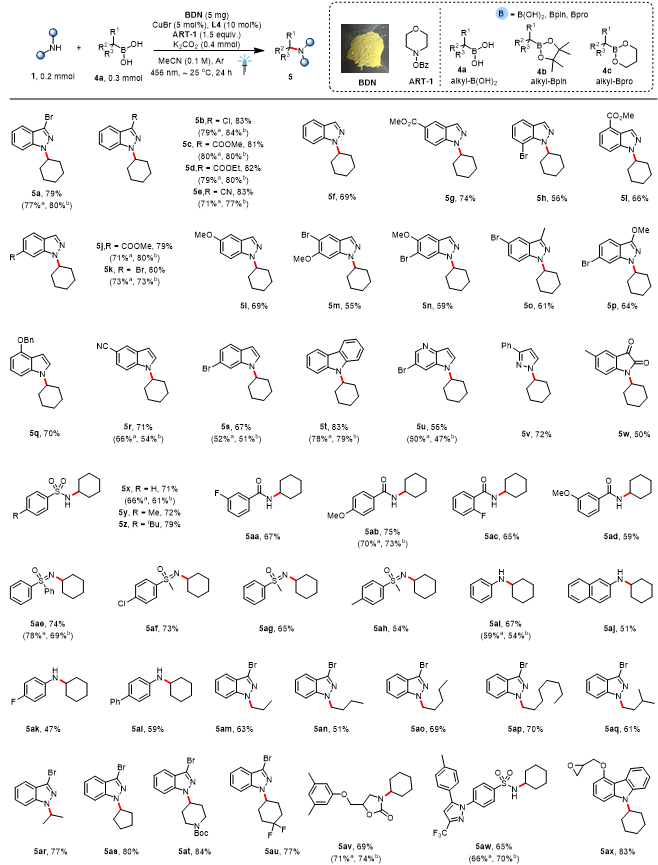
Figure 6. Extension to alkylboronic acid substrates. Source: ACS Nano.
7. From C(sp3)-N to C(sp2)-N: Extending the Reaction Boundary
To test the generality of the platform, the team extended its reaction boundary. By adjusting the conditions, the BDN/Cu system also enabled C(sp2)–N arylation of aryl iodides with various nitrogen nucleophiles. Carbazole gave the target product in 87% yield; differently C3-substituted indazoles bearing bromo, chloro, cyano, or methoxycarbonyl groups reacted smoothly, and 7-azaindoles, fused heterocycles, sulfonimides, and diphenylamine also participated. The BDN/Cu synergistic photocatalytic system is therefore not confined to a single type of C–N bond formation but has the potential to extend to the functionalization of different carbon centers.
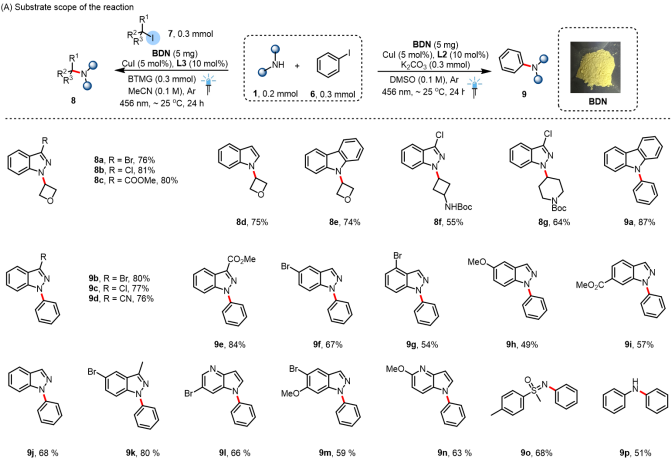
Figure 7. Extension to C(sp2)–N arylation. Source: ACS Nano.
8. Continuous-Flow Scale-Up
Beyond scope, the team examined the practical potential of the system. Transferring the reaction from batch to a continuous-flow setup, they scaled it to 8 mmol at a flow rate of 7.0 mL/min, obtaining 1.2 g of 3a and 1.6 g of 5a in 74% and 71% yield, respectively. The BDN catalyst also showed good recyclability: after five cycles the reaction retained high activity, with 3a formed in 83% yield, and XRD and XPS of the recycled catalyst showed no obvious changes in crystal structure or surface chemistry. The BDN/Cu system can thus deliver multiple types of C–N bond formation at laboratory scale and shows potential for continuous-flow, larger-scale synthesis.
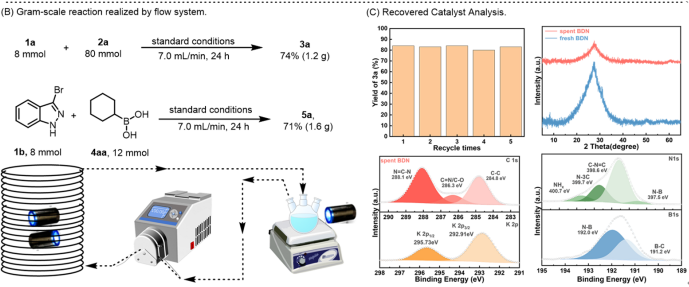
Figure 8. Continuous-flow scale-up. Source: ACS Nano.
9. Mechanistic Studies Point to BDN/Cu Synergy
To clarify the mechanism, the team carried out fluorescence quenching, EPR, radical trapping, and kinetic isotope effect (KIE) experiments. Fluorescence quenching showed that the excited state of BDN is strongly quenched by DTBP and ART-1, whereas the copper catalyst and the alkyl radical precursor quench it only weakly, suggesting that the photocatalytic cycle is initiated by interaction between BDN and the oxidant. EPR detected alkyl radical signals only when the nanomaterial, oxidant, and radical precursor were all present; the signal disappeared whenever any component was omitted.
Radical trapping experiments likewise supported a radical pathway and afforded the corresponding trapped products. A parallel KIE of 2.2 indicates that hydrogen-atom transfer (HAT) from the C(sp3)–H bond is likely rate-determining. On this basis, the team proposed a synergistic dual-catalysis mechanism: under illumination, BDN generates electron-hole pairs; conduction-band electrons reduce DTBP by single-electron transfer to tert-butoxy radicals, which then abstract hydrogen atoms from C(sp3)–H bonds to give alkyl radicals. Meanwhile, valence-band holes on BDN oxidize the copper species to a high-valent copper intermediate that captures the alkyl radical, and reductive elimination then forms the C–N bond and regenerates Cu(I). BDN thus governs carrier regulation and radical generation, while the copper system handles radical capture and C–N bond formation, a clear division of labor.
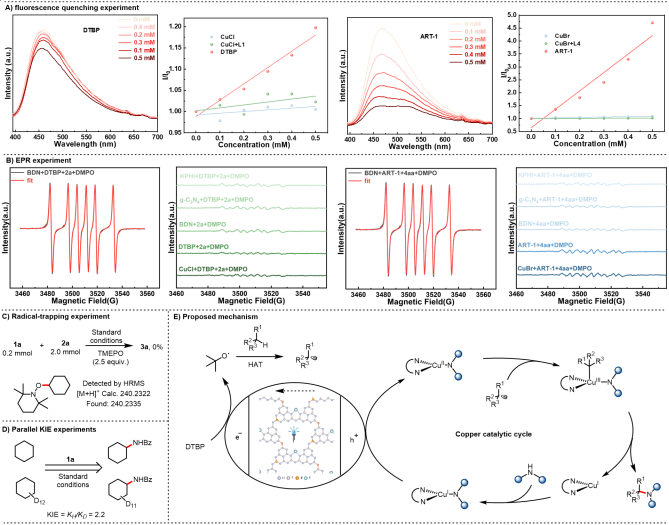
Figure 9. Mechanistic studies. Source: ACS Nano.
10. From Organic Synthesis to Agrochemical Discovery
Beyond methodology, the team evaluated the biological activity of the nitrogen-containing products. In vitro antifungal screening showed that compounds 5j, 5an, and 9d inhibit Rhizoctonia solani with EC50 values of 3.51-3.74 μg/mL, and 9d also inhibits Botrytis cinerea with an EC50 of 3.02 μg/mL. Molecular electrostatic potential (MEP) analysis showed similar electrostatic distributions for 5an and 9d, suggesting similar receptor-interaction modes. Scanning electron microscopy further revealed that R. solani hyphae treated with 5an and 9d showed shrinkage, wrinkling, and surface collapse relative to controls, indicating that these compounds compromise hyphal integrity and thereby inhibit pathogen growth. The team therefore considers 5an and 9d promising candidates for further structural optimization and mode-of-action studies.
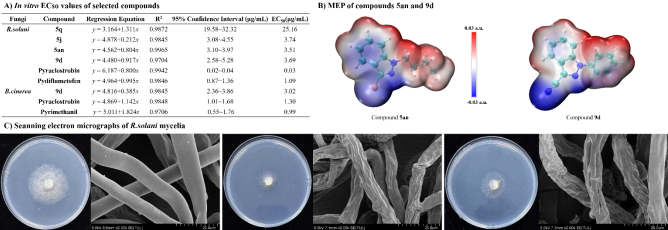
Figure 10. Antifungal activity evaluation. Source: ACS Nano.
11. Significance:Establishing a new paradigm of material-design-driven heterogeneous photocatalysis
Overall, this work establishes a boron single-atom catalyst/copper synergistic heterogeneous photocatalytic platform that accomplishes the challenging C(sp3)–N cross-coupling. The core innovation is that boron is not used as a conventional dopant; instead, its electron deficiency, empty p orbital, and Lewis acidity are turned into a functional active center that participates in carrier regulation and radical generation. Boron doping promotes spatial carrier separation, concentrates electrons on the boron centers, and steers radical formation, while the copper system captures the radicals and forms the C–N bond, a well-defined functional division. At the synthetic level, the system tolerates a wide range of nitrogen nucleophiles and radical precursors, including alkanes, alkylboronic acids, and alkyl iodides, and it extends further to C(sp2)–N arylation. At the application level, it delivers gram-scale synthesis under continuous flow with good catalyst recyclability, providing an experimental basis for scaling heterogeneous photocatalysis. Some of the nitrogen-containing products also show good antifungal activity, pointing to potential applications in constructing pharmaceutical and agrochemical molecules and in discovering lead compounds.
Concluding Remarks
By starting from a boron single-atom catalyst with well-defined electronic features, this study integrates materials design, photogenerated-carrier regulation, radical chemistry, and copper-catalyzed C–N bond formation, breaking through the limitations of conventional heterogeneous photocatalysis for C(sp3)–N bonds. It provides not only a new catalytic strategy for the efficient construction of complex C–N bonds but also a demonstration of how molecular-level control over the active sites and electron-transfer processes of heterogeneous materials can enable complex organic reactions.
The extension to continuous-flow gram-scale synthesis and antifungal evaluation completes a research chain from catalytic material design, through reaction development and scale-up, to functional molecule discovery, opening broad possibilities for heterogeneous photocatalysis in the synthesis of pharmaceutical and agrochemical molecules.
Professor Qingmin Wang is the corresponding author, and Fuyang Yue, a PhD candidate at Nankai University, is the first author. The work was supported by the National Natural Science Foundation of China.


