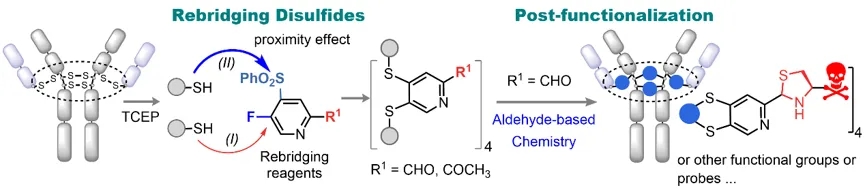
The precise construction of antibody-drug conjugates (ADCs) places growing demands on the efficiency and stability of the underlying conjugation chemistry. On September 25, 2026, the research group of Professor Xuncheng Su at Nankai University published a paper entitled "Proximity-Induced Disulfide Rebridging Enables Modular Construction of Stable Antibody-Drug Conjugates" in Angewandte Chemie International Edition.
The team developed a proximity-induced disulfide rebridging strategy in which heterotrifunctional pyridine reagents rebridge antibody disulfide bonds efficiently and stably under mild conditions. The retained aldehyde group then allows further conjugation of fluorescent probes and drug molecules, affording ADCs with good stability and high cytotoxicity, and offering a new strategy for the chemical construction of ADCs.
An important advantage of this method is that it achieves highly efficient chemical conjugation while fully preserving the three-dimensional structure of the antibody, and it endows the conjugation products with good stability. It thus provides a new chemical tool for the modular construction of ADCs and other conjugate formats (XDCs).
ADCs link a targeting antibody to a cytotoxic small-molecule drug so that the drug can be delivered selectively to specific tumor cells. As more ADCs enter clinical use, achieving site-selective, efficient, and stable conjugation without altering the native antibody structure has become a central topic in antibody medicinal chemistry.
Native antibodies contain multiple disulfide bonds, some of which can be selectively reduced to yield reactive cysteines, providing natural sites for site-selective antibody modification. Disulfide rebridging has therefore become an important conjugation strategy: the interchain disulfides are first reduced, and a bifunctional reagent then reconnects the two cysteines, functionalizing the antibody without any need for antibody engineering.
The hinge region of native IgG1 antibodies is highly flexible and partially disordered, so the cysteines exposed after reduction may adopt different spatial orientations, which complicates rebridging and homogeneous conjugation. Conventional rebridging reagents usually carry two identical thiophilic groups, and their reactivity is often difficult to reconcile with the stability of the resulting linkage: highly reactive reagents rebridge efficiently, but the new bonds remain prone to thiol exchange, whereas less reactive reagents lower the rebridging efficiency. Balancing rebridging efficiency with linkage stability, in light of the antibody's structural features, remains a key challenge in ADC conjugation chemistry.
The core design of this work is a rebridging reagent that is small, water-soluble, and able to rebridge solvent-exposed disulfides under near-physiological conditions. By exploiting the kinetic difference between two thiol-reactive groups and the proximity effect during rebridging, the design raises rebridging efficiency while strengthening the product linkage, thereby achieving site-specific and stable antibody conjugation for subsequent ADC construction.
To this end, the Su group designed and evaluated a class of heterotrifunctional pyridine-based rebridging reagents with differentiated reaction kinetics, including 5-fluoro-4-(phenylsulfonyl)picolinaldehyde (FPPA) and its derivative FPPAc.
Unlike conventional reagents bearing two identical thiophilic groups (Figure 1), the FPPA molecule carries two thiol-reactive groups of different reactivity, a fluorine atom (F) and a phenylsulfonyl group (PS), together with a pyridine aldehyde. In their earlier work (https://doi.org/10.1002/anie.202205597), the team had found that installing a small electron-withdrawing group with distinct electronic effects, such as an aldehyde or acetyl group, at the 2-position of pyridine gives the F and PS groups markedly different thiol-reaction kinetics, and they used such reagents for intermolecular cysteine cross-linking.
Building on this feature, the present work applies the reagent to intramolecular disulfide rebridging in proteins. The two cysteines formed by reduction of an antibody disulfide are naturally close to each other in the folded protein: one thiol first and rapidly displaces the more reactive F group of FPPA, and the neighboring second thiol then promotes an intramolecular SNAr reaction at the less reactive PS group, completing sequential rebridging of the disulfide. The pyridine aldehyde left after the reaction serves as a chemical handle for installing drugs, fluorescent probes, and other functional molecules.
By combining kinetic differentiation with the proximity effect in a single molecule, this design realizes a continuous process of "fast initial reaction followed by proximity-accelerated second reaction," offering a new design principle for reconciling rebridging efficiency with linkage stability.
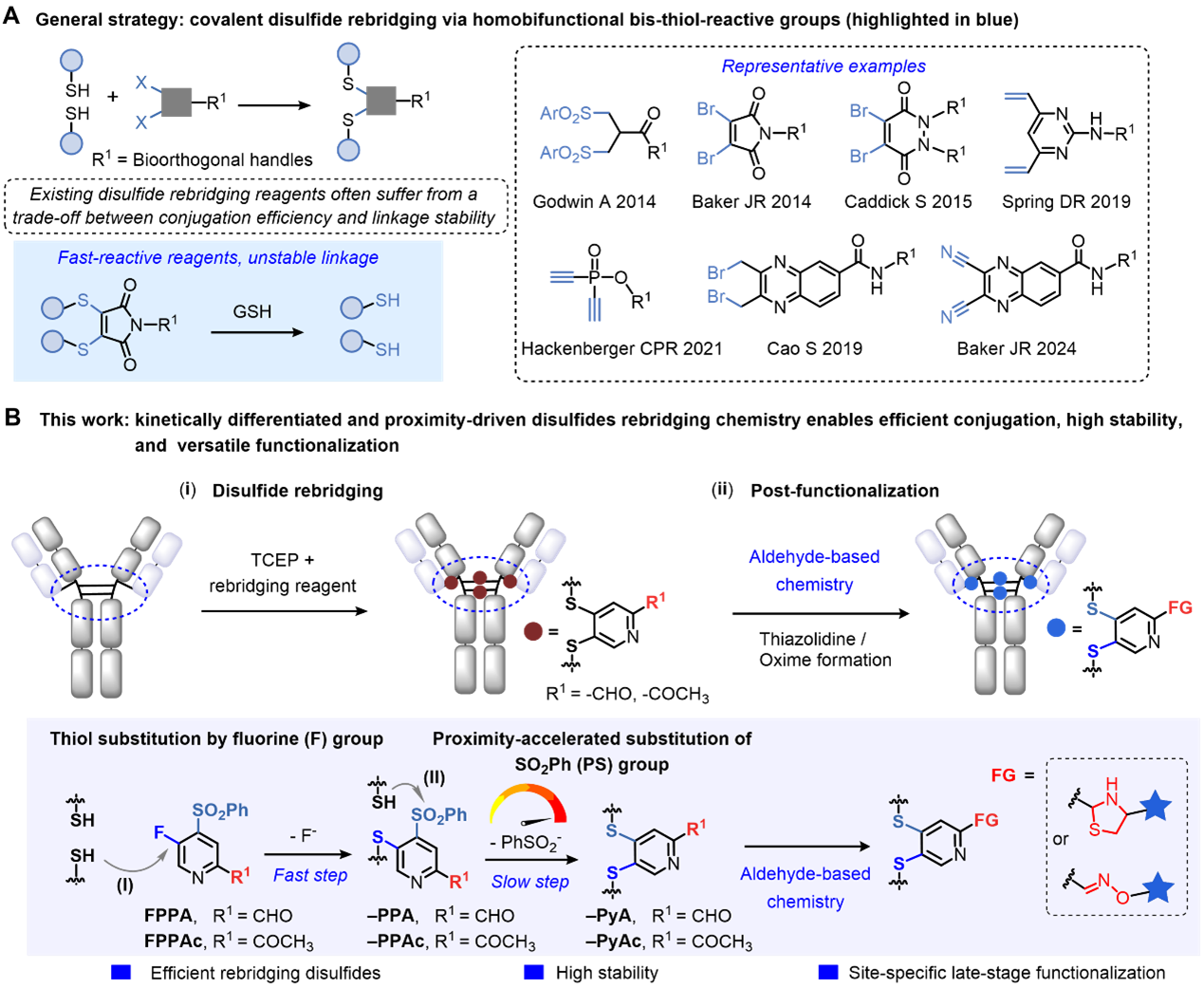
Figure 1. Previously reported disulfide rebridging strategies and the antibody conjugation strategy developed in this work. Source: Angew. Chem. Int. Ed.
From Antibody Fragments to Full-Length Antibodies: Efficient Disulfide Rebridging
The team first used the Fab fragment of trastuzumab (Tmab) as a model system to evaluate the rebridging ability of FPPA and FPPAc. Both reagents efficiently rebridged the reduced Fab disulfide, giving nearly 95% of the target product under optimized conditions (Figure 2). LC-MS analysis of the reaction intermediates confirmed a sequential process of F-group substitution followed by PS-group substitution, with the second intramolecular step clearly accelerated by the proximity effect (Figure 2B), providing experimental support for the proposed "fast initiation, proximity-induced continuation" mechanism. Stability tests further showed that the rebridged products are more stable in 5 mM GSH than those formed by conventional linkers.
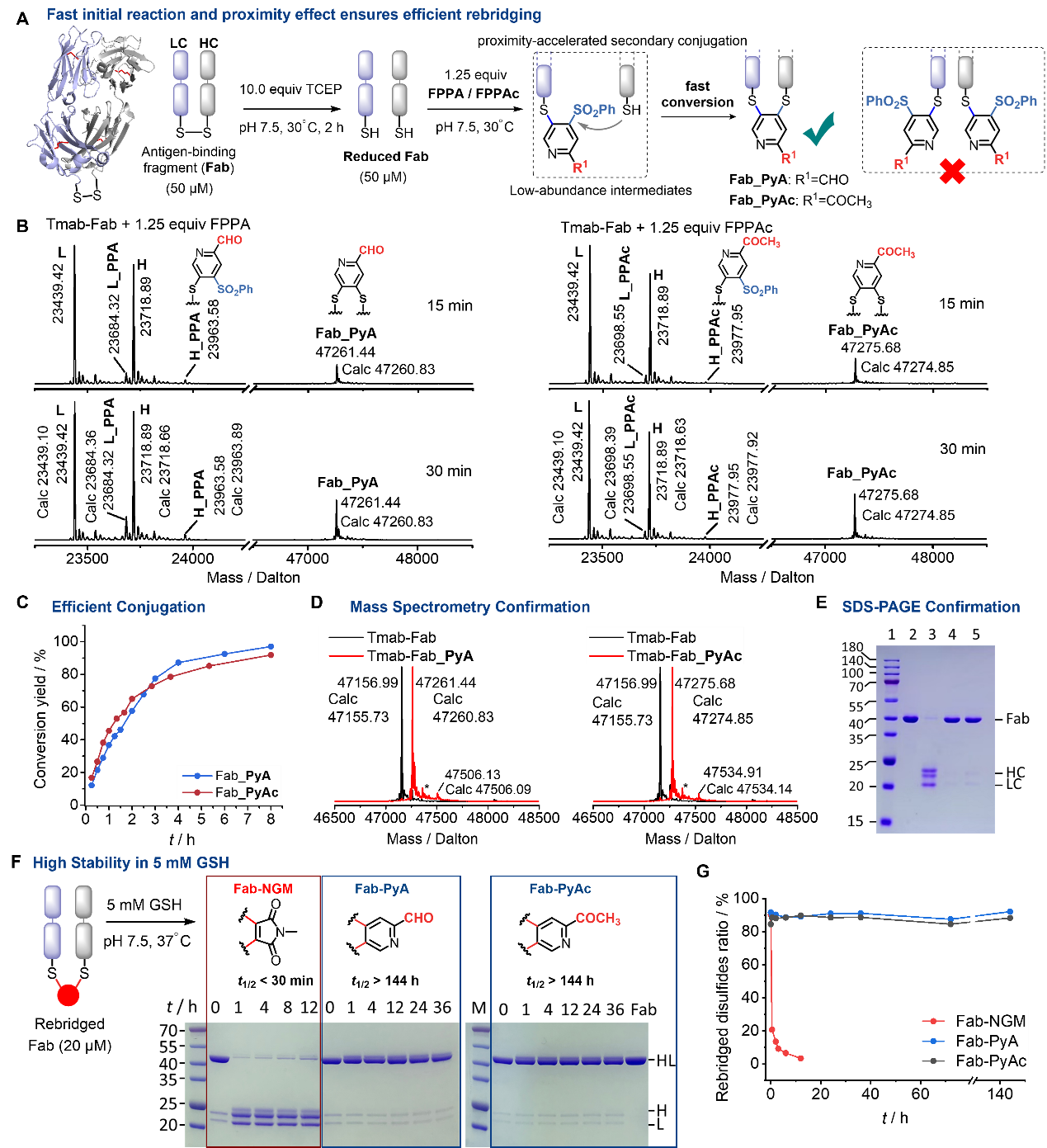
Figure 2. Proximity-induced disulfide rebridging mediated by heterotrifunctional electrophilic reagents. Source: Angew. Chem. Int. Ed.
The method was then extended to full-length trastuzumab (Figure 3). As an IgG1, Tmab contains four solvent-accessible interchain disulfides, and the conformational flexibility of its hinge region makes rebridging more demanding. By optimizing how TCEP and FPPA were added, the reagent ratio, the pH, and the reaction time, the team established an in-situ, stepwise addition protocol that achieved roughly 90-95% disulfide rebridging. The major products arose from rebridging between different heavy chains, with a smaller fraction from rebridging within a single heavy chain at the hinge. Under optimized conditions, more than 80% of the major Tmab-PyA species carried four FPPA units, indicating a high degree of homogeneous multisite modification.
Combining these results with structural models of the antibody, the team also analyzed why half-antibody products inevitably form during rebridging.
Further studies showed that the strategy is not limited to trastuzumab: FPPA also works for other antibody fragments and antibodies, as well as structurally distinct proteins such as lysozyme, demonstrating broad substrate applicability.
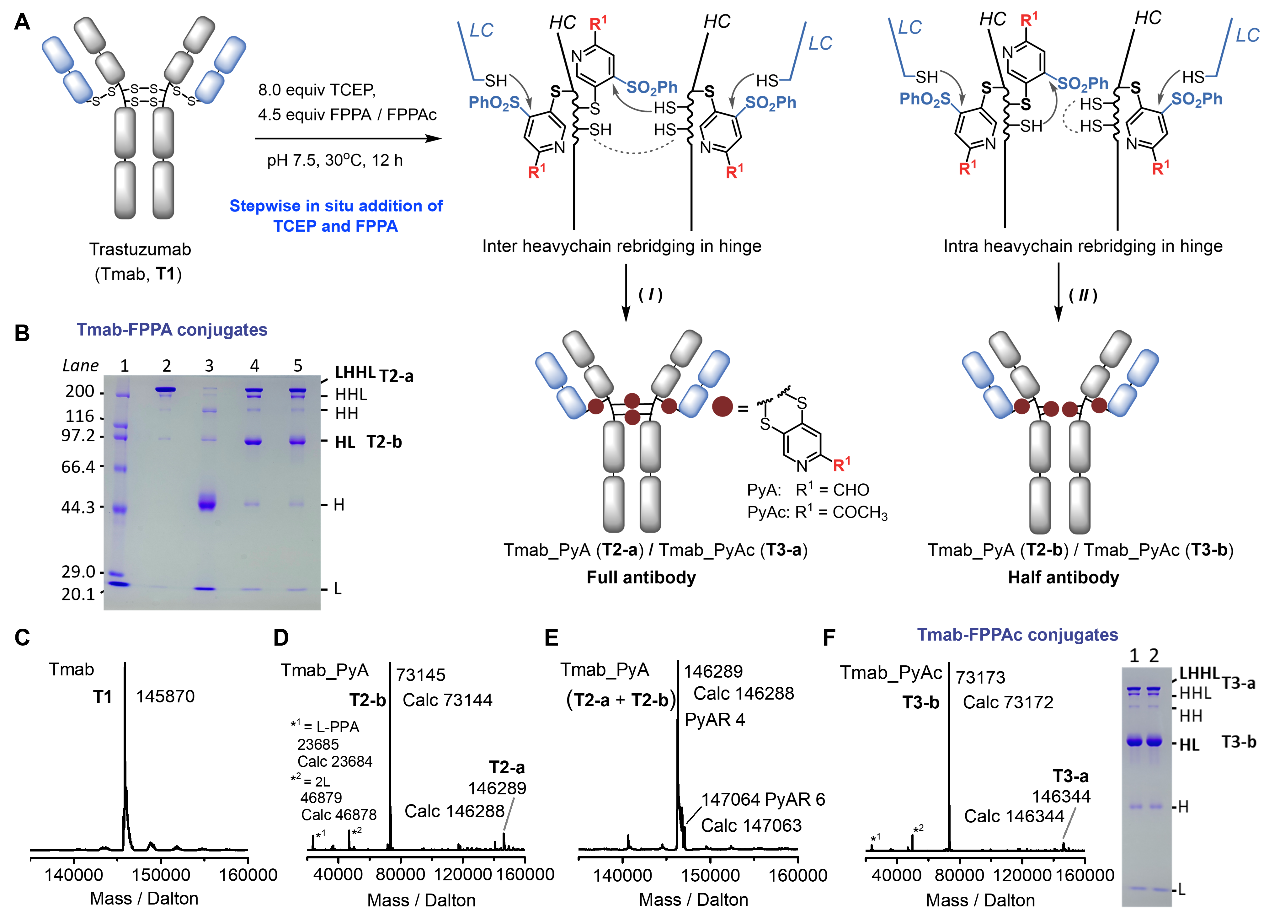
Figure 3. FPPA/FPPAc-mediated disulfide rebridging of full-length antibodies. Source: Angew. Chem. Int. Ed.
A Retained Chemical Handle for Modular Post-Functionalization
A second feature of the FPPA strategy is that the pyridine aldehyde remains on the antibody surface after rebridging, providing an orthogonal handle for subsequent functionalization.
Exploiting the specific reactions of the pyridine aldehyde with hydroxylamine or 1,2-aminothiols, the team further functionalized Tmab-PyA. The 1,2-aminothiol cyclizes with the aldehyde to form a stable thiazolidine linkage, and on this basis peptides and a Rhodamine B fluorescent probe were successfully installed on the rebridged antibody (Figure 4). The resulting fluorescent conjugate remained stable after two weeks at 37 °C in 35% human plasma and retained HER2-mediated cell binding and internalization.
These results show that FPPA does more than reconnect antibody disulfides: it also enables the modular installation of different functional molecules, providing a flexible chemical platform for building diverse antibody conjugates.
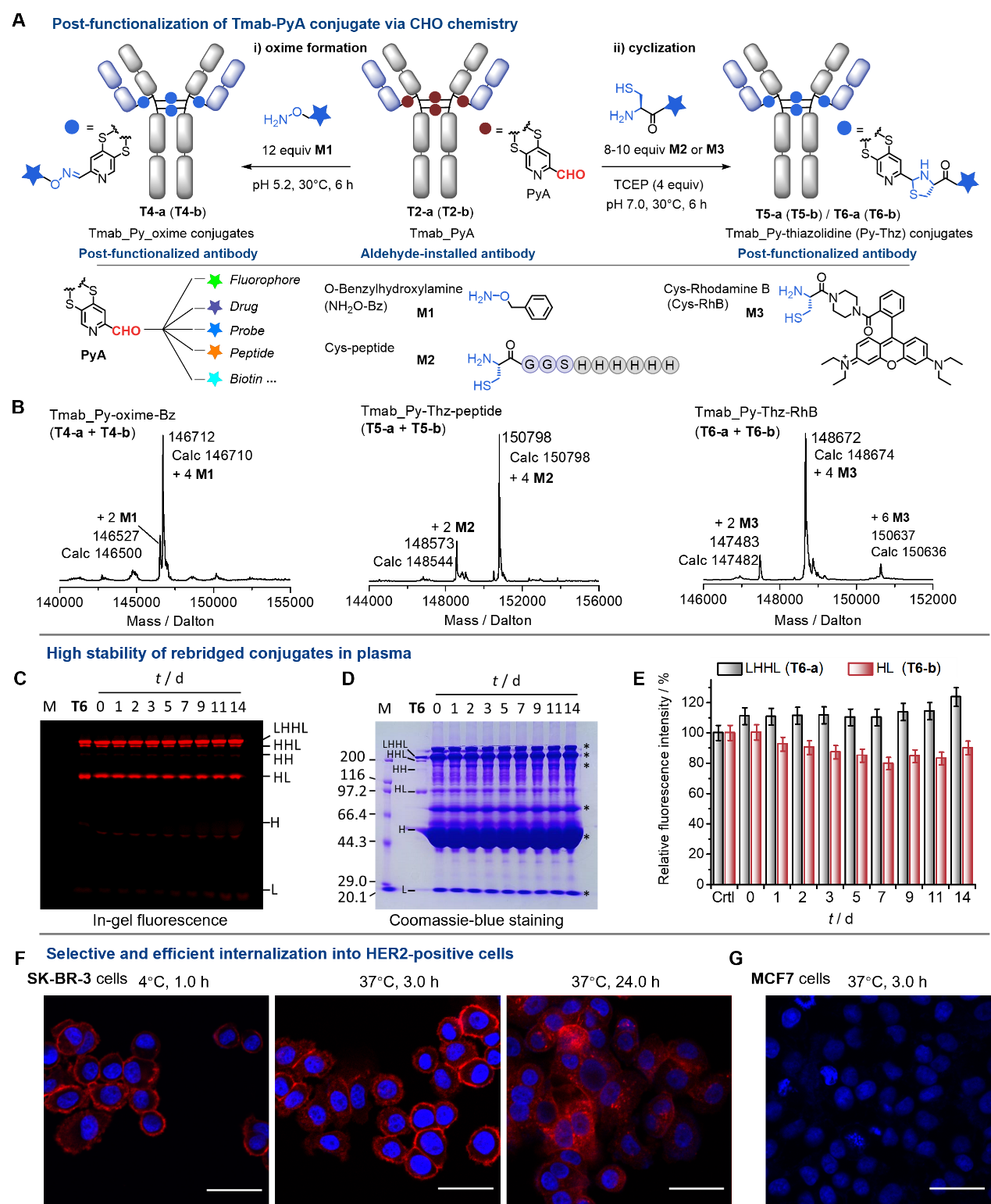
Figure 4. Aldehyde-based post-functionalization of the FPPA-rebridged antibody (Tmab-PyA). Source: Angew. Chem. Int. Ed.
Modular Payload Installation and Construction of Multiple ADCs
On this basis, the team used the pyridine aldehyde of Tmab-PyA for payload installation to construct ADCs (Figure 5). Four payloads were designed and synthesized, each bearing a different reactive group, a cleavable dipeptide linker, and either MMAE or MMAF as the toxin. Two conjugation modes were used: an aminooxy-functionalized payload forms an oxime with the aldehyde, while a 1,2-aminothiol-functionalized payload cyclizes with the pyridine aldehyde to give a thiazolidine linkage.
With these two conjugation strategies, ADC-1 through ADC-4 were successfully constructed. LC-MS analysis showed that the major product in each case carried four payloads per antibody (Figure 5C), confirming the good homogeneity of the strategy. Taking further advantage of the efficient cyclization between the aldehyde and 1,2-aminothiols, the team also controlled the feed ratio of different payloads to install MMAE and MMAF sequentially in one pot, obtaining the dual-payload ADC-5, whose major species carries both toxins.
This "rebridge first, then install payloads via the aldehyde" strategy keeps the two processes largely independent of each other, which simplifies the construction of antibody conjugates bearing different drugs, fluorescent probes, and other functional molecules.
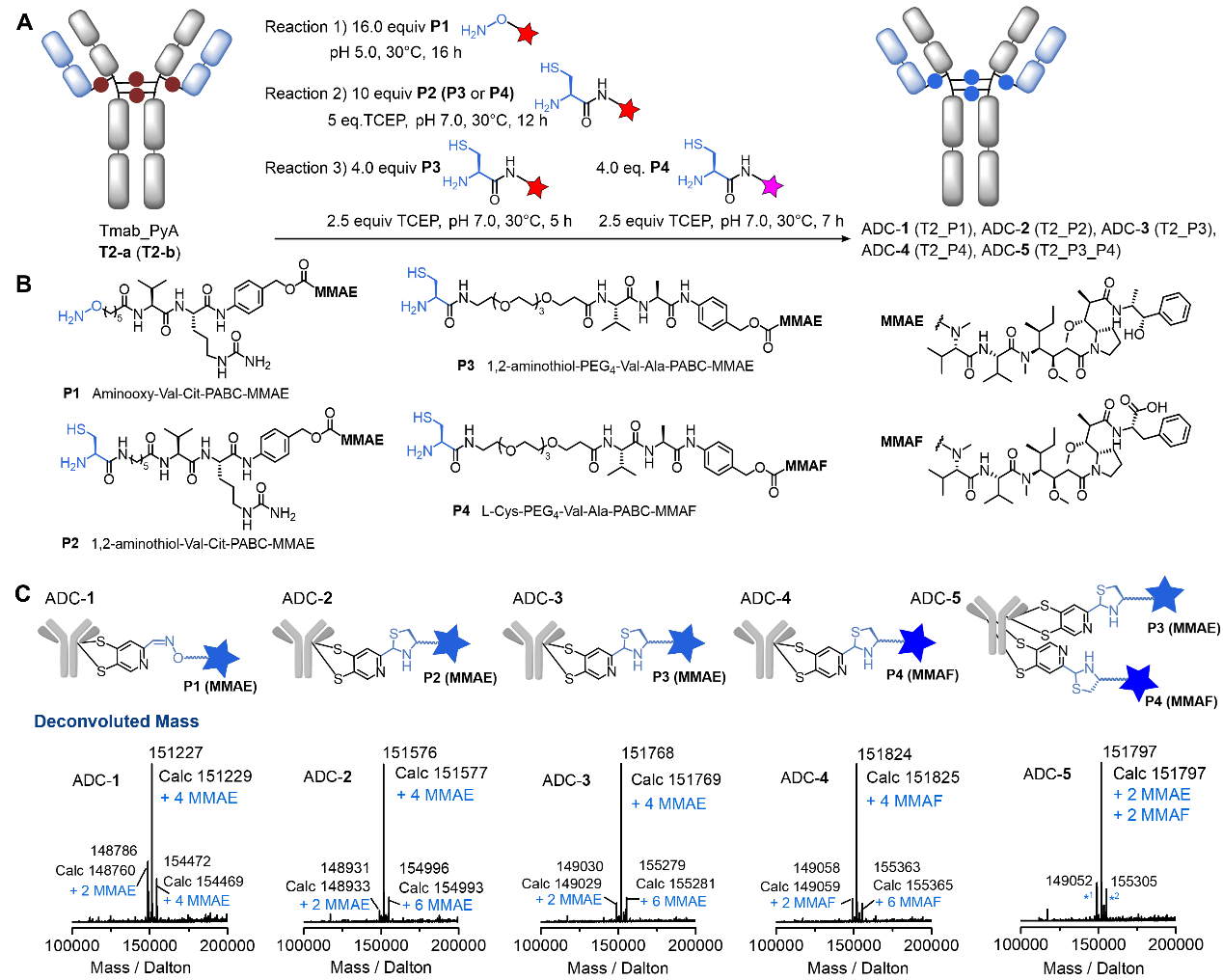
Figure 5. Payload conjugation and ADC construction based on FPPA-rebridged antibodies. Source: Angew. Chem. Int. Ed.
Stability, Antigen Binding, and Cytotoxicity Evaluation
Stability studies showed that the FPPA-rebridged antibodies possess good chemical and structural stability. After six days in 5 mM GSH, no appreciable thiol exchange of the rebridged thioether linkages was observed, indicating good reductive stability. Within the spatial constraints of the intact antibody fold, the retained pyridine aldehyde remained reactive, providing a stable handle for later functionalization. The fluorescent conjugate stayed stable after two weeks at 37 °C in 35% human plasma, and confocal imaging confirmed that the functionalized antibody retained HER2-mediated cell binding and internalization.
The team then characterized the physicochemical properties of the ADCs (Figure 6). SEC analysis showed that all ADCs maintained a high monomer content, with more than 95% of the major product present as monomers. SPR measurements showed that ADC-1, ADC-2, and ADC-4 bind the HER2 extracellular domain with affinities comparable to that of naked Tmab, indicating that the overall structure and antigen recognition of the antibody are well preserved after rebridging and payload installation.
In in-vitro cell assays, the ADCs showed potent cytotoxicity in HER2-positive SK-BR-3 and NCI-N87 cells but only weak toxicity toward HER2-negative MCF-7 cells (Figure 7). In SK-BR-3 cells the IC50 values were about 2-10 pM, far more potent than naked Tmab. The MMAF-loaded ADCs and the dual MMAE/MMAF ADC showed the strongest in-vitro cytotoxicity.
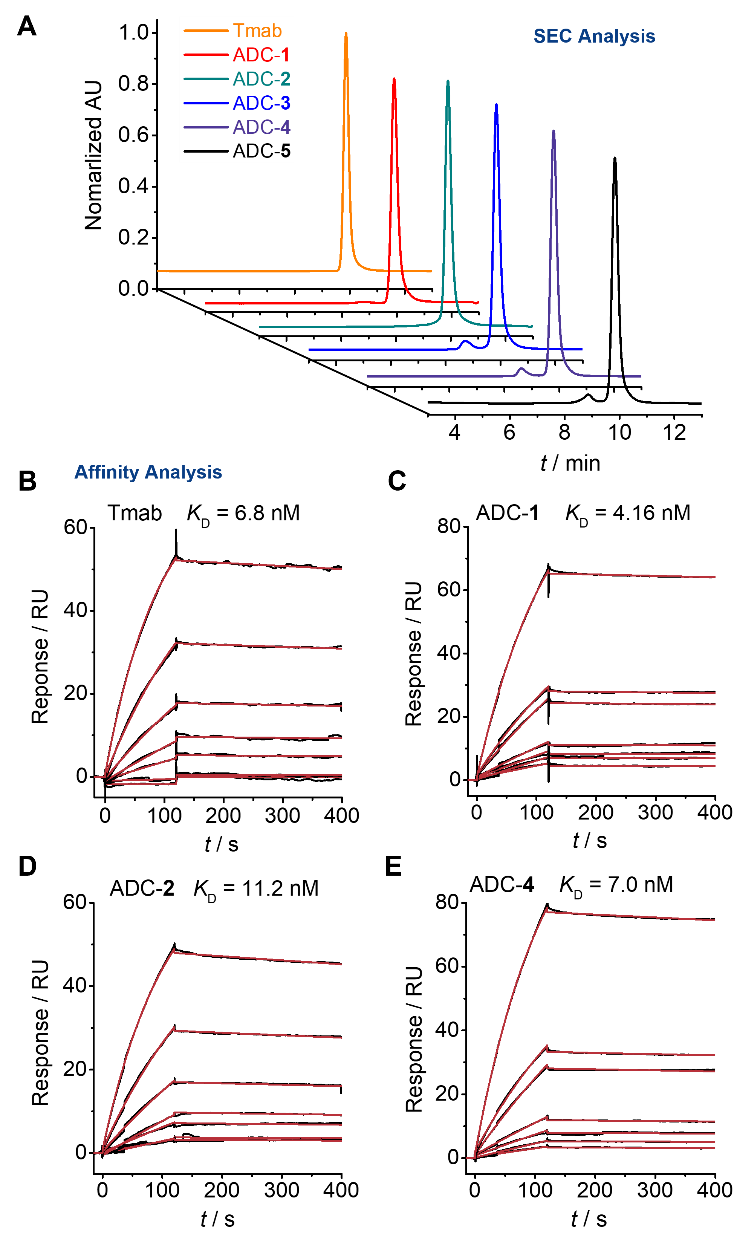
Figure 6. Characterization of aggregation stability and antigen-binding affinity of the constructed ADCs. Source: Angew. Chem. Int. Ed.
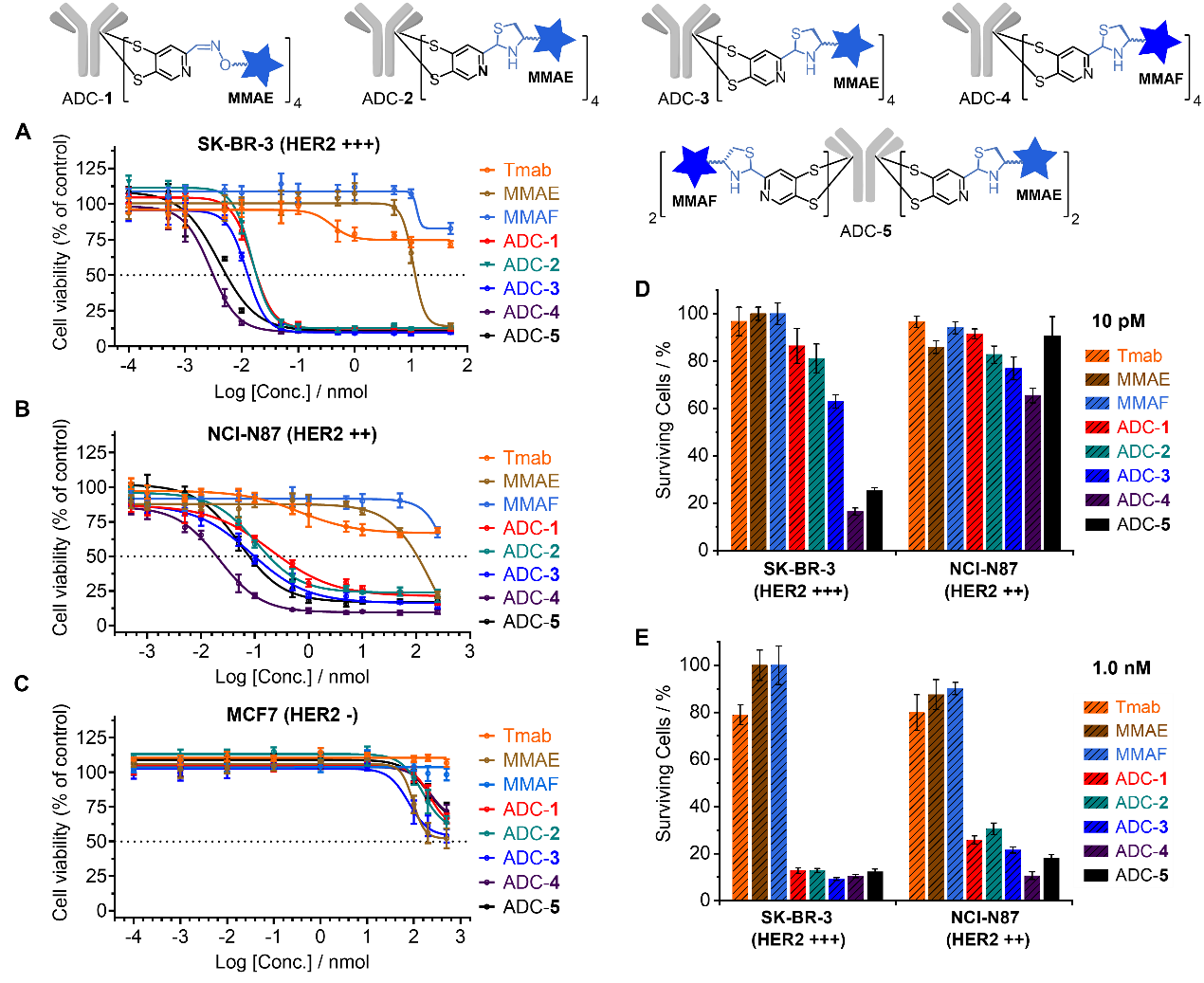
Figure 7. In vitro cytotoxicity evaluation of the FPPA-rebridged ADCs. Source: Angew. Chem. Int. Ed.
Conclusions and Outlook
In summary, the researchers developed a disulfide rebridging strategy based on proximity-induced sequential SNAr reactions. By exploiting the kinetic difference between two thiol-reactive groups together with the spatial proximity of cysteines after disulfide reduction, the strategy rebridges native interchain disulfides efficiently. The pyridine aldehyde retained after the reaction provides an orthogonal handle, allowing the rebridged antibody to undergo modular modification with fluorescent probes, drug payloads, and other functional molecules.
Conjugation experiments with trastuzumab as a representative antibody showed that the method preserves antigen binding and structural stability while allowing the construction of ADCs with different payload compositions, and the resulting ADCs display potent in-vitro cytotoxicity against HER2-positive tumor cells. Compared with conventional conjugation reagents, this strategy holds particular promise for the precise construction and optimization of XDCs.
It should be noted that the study has so far validated the strategy mainly in terms of in-vitro chemical stability, antigen binding, and cellular activity. Its in-vivo pharmacokinetics, antitumor efficacy, and potential pharmacological advantages over existing ADC conjugation technologies await further evaluation.
Professor Xuncheng Su and Researcher Chan Cao of the State Key Laboratory of Elemento-organic Chemistry, Nankai University, and Dr. Bin Zou of Axcynsis Therapeutics are the co-corresponding authors. Postdoctoral researcher Binbin Pan and PhD candidates Xiaohui Zhou and Xing Zhang are the co-first authors.
Bin-Bin Pan, Xiao-Hui Zhou, Xing Zhang, Mo-Han Li, Jia-Long Zhao, Ping Du, Chan Cao*, Bin Zou*, Xun-Cheng Su*.
Proximity-Induced Disulfide Rebridging Enables Modular Construction of Stable Antibody-Drug Conjugates.
Angew. Chem. Int. Ed. 2026, e3744091. doi.org/10.1002/anie.3744091


