Globally, rapid development has intensified environmental degradation and resource scarcity, driving an urgent need for sustainable technologies. Polymer semiconductors are attractive photocatalysts due to their tunable optoelectronic properties and efficient photoinduced charge generation. However, their low dielectric constants strengthen Coulomb attraction, yielding tightly bound electron–hole pairs and predominantly singlet excitons (S1). These can undergo intersystem crossing (ISC) to form long-lived triplet excitons (T1) that enable energy-transfer processes. While both excitons and free carriers contribute to catalysis, most approaches optimize one pathway in isolation, overlooking their interactions and limiting performance. Thus, simultaneously regulating exciton dynamics and charge transport remains key to overcoming efficiency bottlenecks.
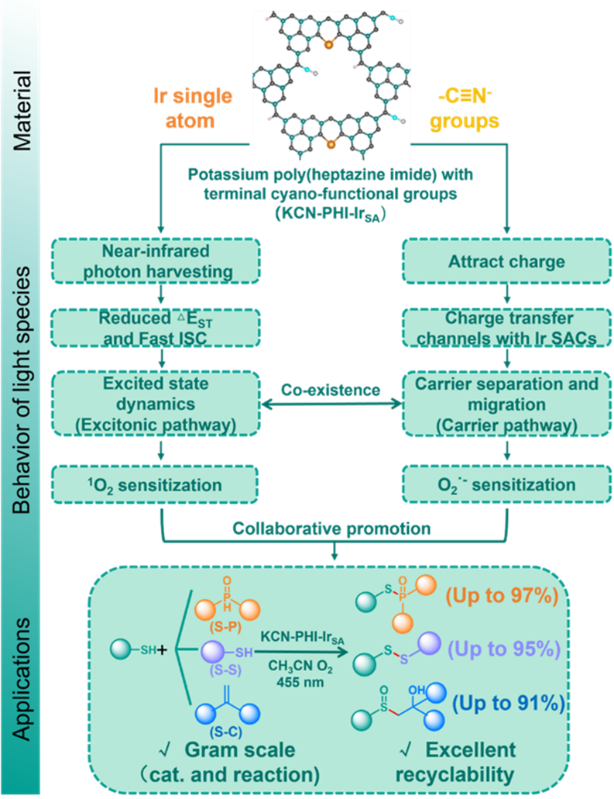
Figure 1. Current research topics and their interconnections.
To address this challenge, the Qingmin Wang group at Nankai University reported a poly(heptazine imide) (K-PHI)–based photocatalyst bearing atomically dispersed iridium single-atom sites and electron-deficient terminal cyano (−C≡N−) groups, which enables the coupling of exciton- and carrier-mediated pathways. The iridium single-atom sites reduce the singlet–triplet energy gap (ΔEST) to promote intersystem crossing (ISC) and the formation of triplet excited states (T1), thereby enhancing exciton-mediated energy transfer. In parallel, the terminal cyano groups form charge transport channels that accelerate charge separation and interfacial electron transfer, while the synergy between the single-atom sites and cyano groups extends the light-absorption range. This dual-pathway design boosts reactive oxygen species (ROS) generation under visible light: exciton-mediated energy transfer predominantly yields singlet oxygen (¹O₂), whereas carrier-mediated electron transfer yields superoxide radicals (O₂•−); together, these processes drive visible-light-driven aerobic oxidative coupling for the formation of S−X (X = P, C, S) bonds. The system operates without sacrificial agents or additional cocatalysts, offers a broad substrate scope with gram-scale productivity, and maintains activity over five cycles, and the approach is compatible with gram-scale preparation of the single-atom catalyst, underscoring its practical potential. Relevant achievements were published in ACS Catalysis, 2026, DOI: 10.1021/acscatal.6c00056.


