On May 23, the 2026 Science and Technology Week Public Open Day Event of the State Key Laboratory of Elemento-Organic Chemistry was successfully held. More than 1,000 participants attended the event, including teachers and students from Nankai University Kindergarten, Nankai Primary School, Wumalu Primary School, Tianjin Experimental High School, Nankai Rixin School, and other schools, as well as members of the public from Tianjin.
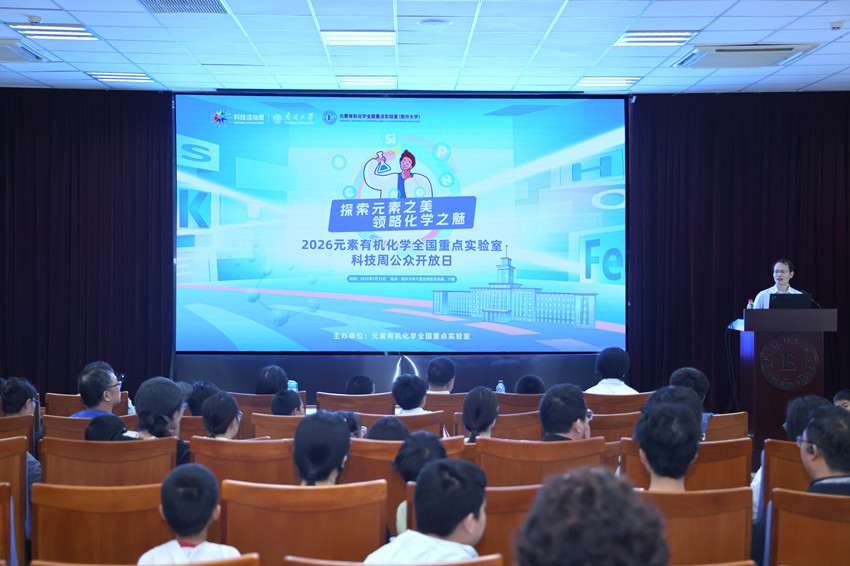
The opening ceremony was held in the Academic Lecture Hall on the second floor of Shixian Building. Professor Pingping Tang, Deputy Director of the Laboratory, delivered the opening remarks. On behalf of the Laboratory, he extended a warm welcome to the attending teachers, students, and members of the public. He noted that the State Key Laboratory of Elemento-organic Chemistry is an important research base in China’s chemistry field and has always attached great importance to the coordinated development of science popularization and scientific and technological innovation. Through this event, he hoped that the public would have the opportunity to engage closely with cutting-edge scientific research, experience the unique charm and practical value of chemistry, and further inspire young people’s enthusiasm for scientific exploration.
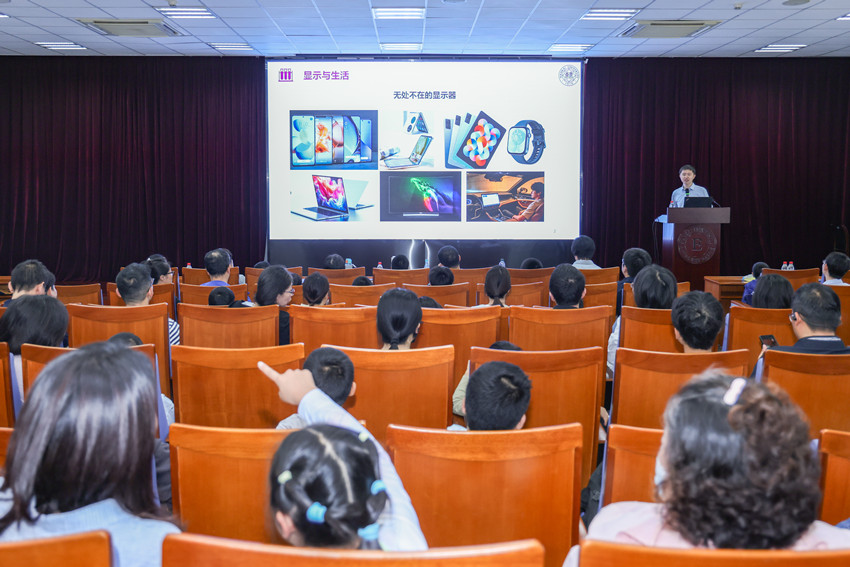
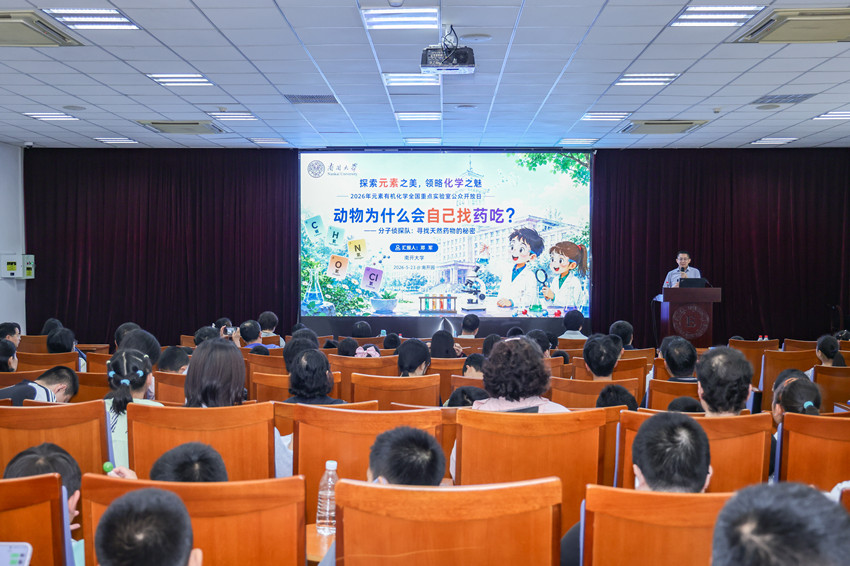
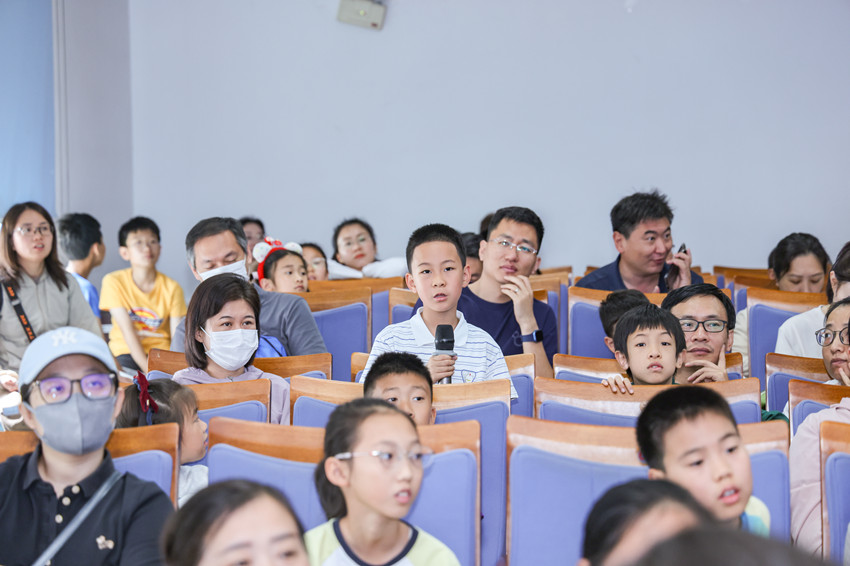
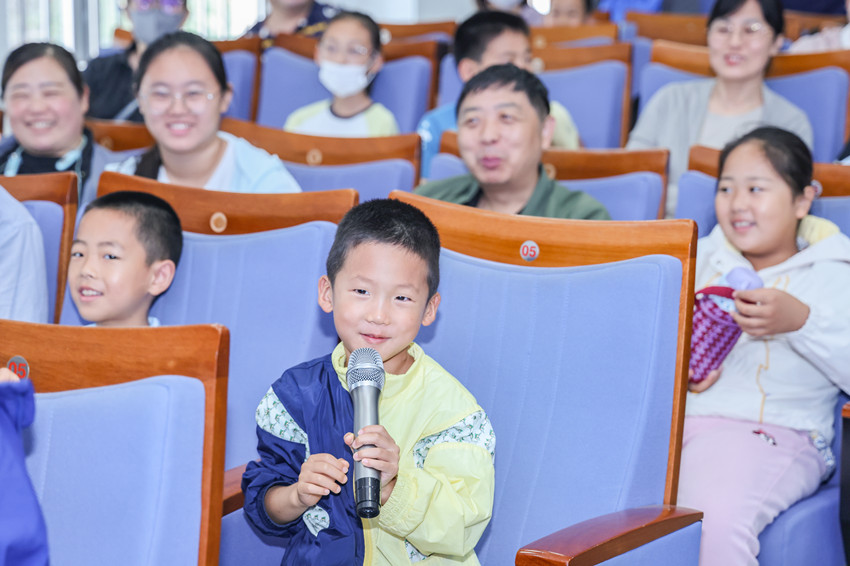
After the opening ceremony, the Laboratory’s key research faculty members delivered two engaging popular science lectures. Professor Xiaoye Wang gave a talk titled “Taming Light with Molecules: The Evolution of Display Screens,” vividly tracing the development of imaging display technology from black-and-white images to ultra-high-definition, flexible, and transparent screens. Research Fellow Jun Deng presented a lecture titled “Why Do Animals Seek Out Medicines on Their Own?”, revealing the mysteries of natural medicinal molecules behind animal self-medication. The lectures were lively and engaging, with enthusiastic interaction from the audience and rounds of applause throughout.
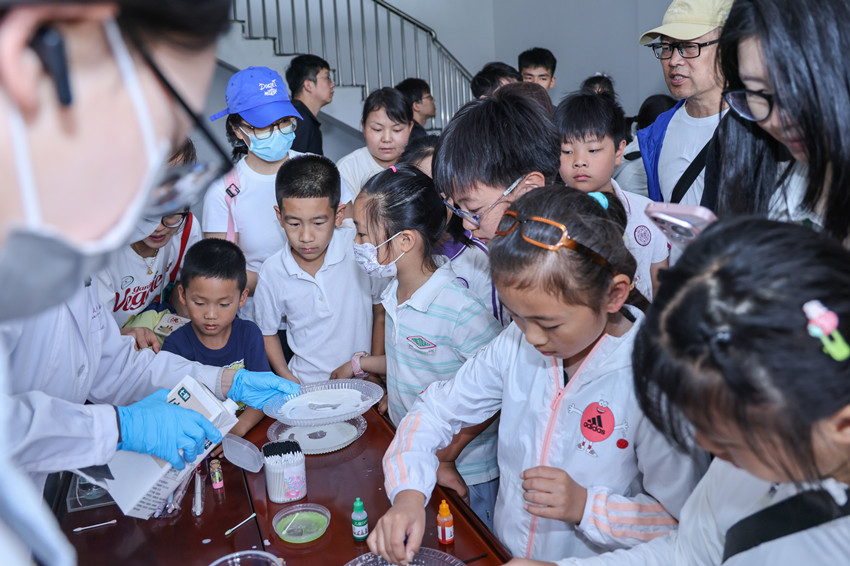
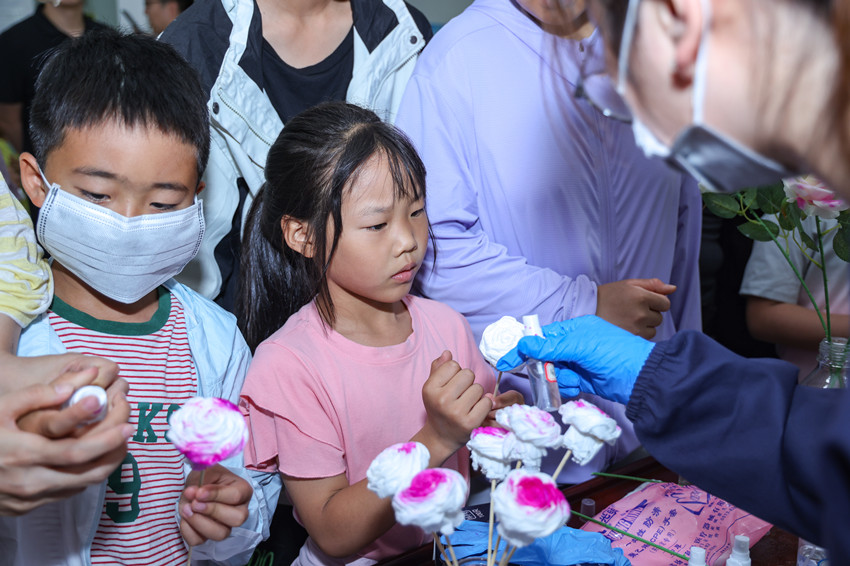
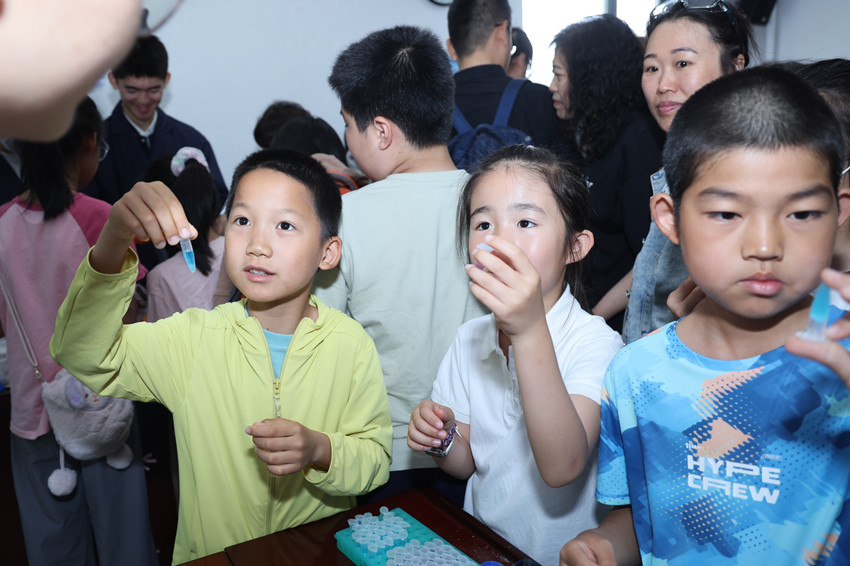
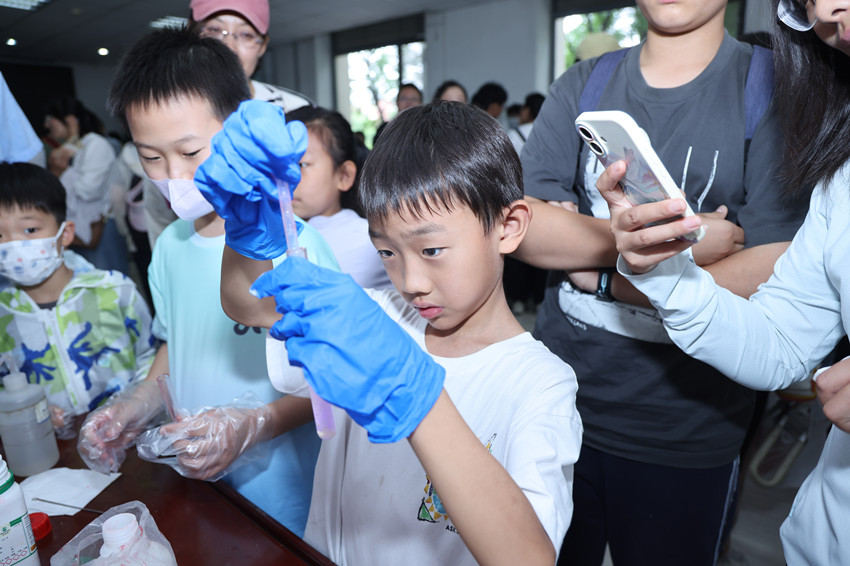
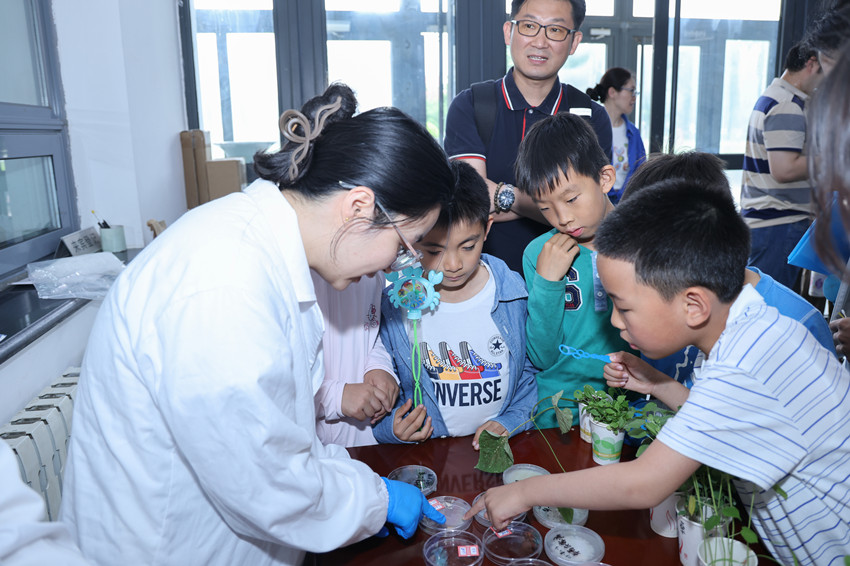
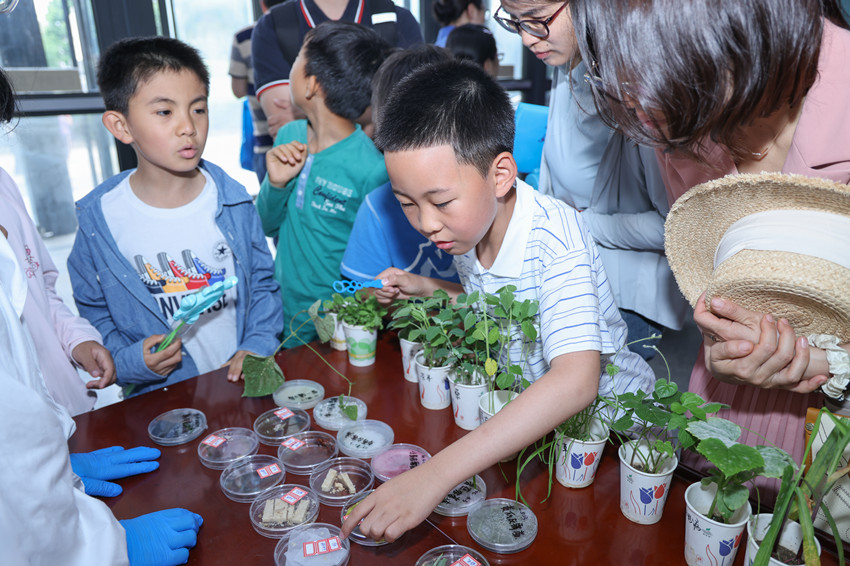
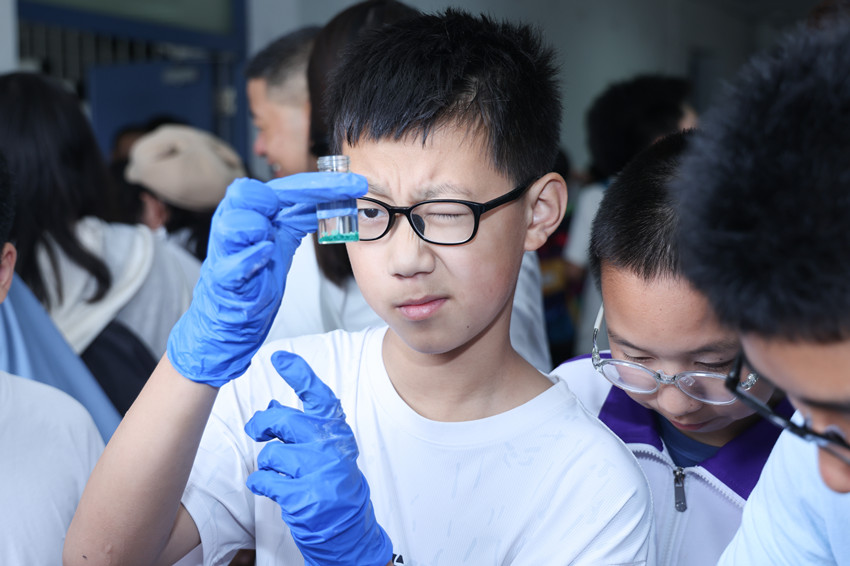
In Room 222 of Teaching Building No. 6, a series of fun experiments were staged in turn, including “Fireflies at Your Fingertips,” “Garden in Water,” “Purple Haze Settles, Colors Return to Clarity,” “Visible Code of Life—Strawberry DNA Extraction,” “Oil-Water Rainbow Rain,” “Magic Iceberg,” “DIY Colorful Popping Beads,” “Traffic Light in a Bottle,” “Bleeding Heart,” “Rainbow Flame at Your Fingertips,” “Magic Bubble Cup,” “Leaf Vein Bookmarks,” “Chemical Rainbow,” “Vitamin B2 Meteor Shower,” and “Magic Color-Changing Flowers.” Abstract and complex chemical principles were transformed into intuitive and fascinating visual phenomena, offering participants a rewarding immersive experience. A popular science exhibition area on plant diseases, insect pests, and weeds was also set up on site. Through displays of physical specimens, the exhibition showcased common weeds, pests, and pathogens found in farmland, explained the occurrence patterns of crop diseases and green prevention and control technologies, and guided participants to understand the scientific knowledge behind agricultural production from an interdisciplinary perspective integrating chemistry and biology.
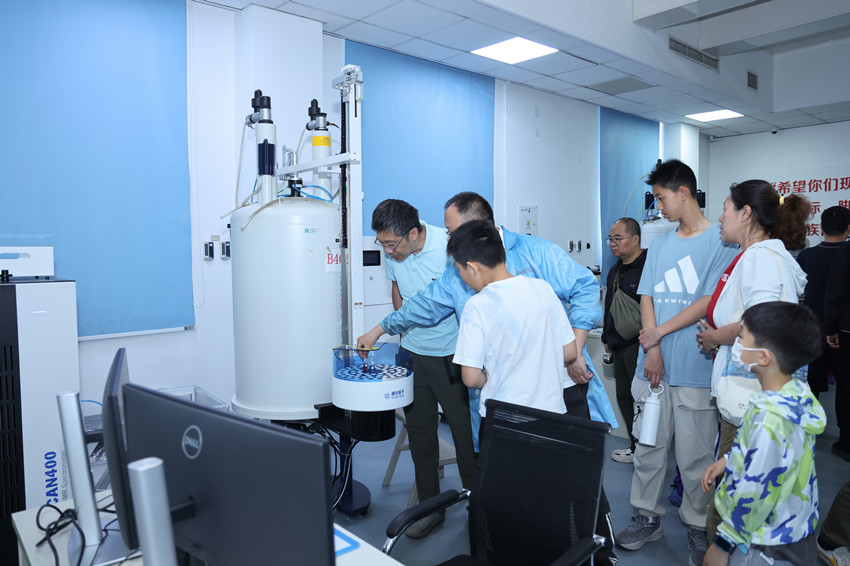
The Laboratory also opened several large-scale scientific research instruments to the public, including high-resolution nuclear magnetic resonance spectrometers, field-emission transmission electron microscopes, high-resolution mass spectrometers, and single-crystal diffractometers. Professional technical staff provided on-site demonstrations and explanations, enabling visitors to gain a deeper understanding of the important role that advanced scientific instruments play in cutting-edge research.
As one of the key events in Nankai University’s Science and Technology Week series, this activity not only fully showcased the research strength and innovation culture of the State Key Laboratory of Elemento-organic Chemistry, but also built a bridge for communication and exchange between the public and frontier science. The Laboratory will continue to organize diverse science popularization activities, providing sustained support for cultivating future talent in scientific and technological innovation and advancing the development of chemistry science popularization.

